
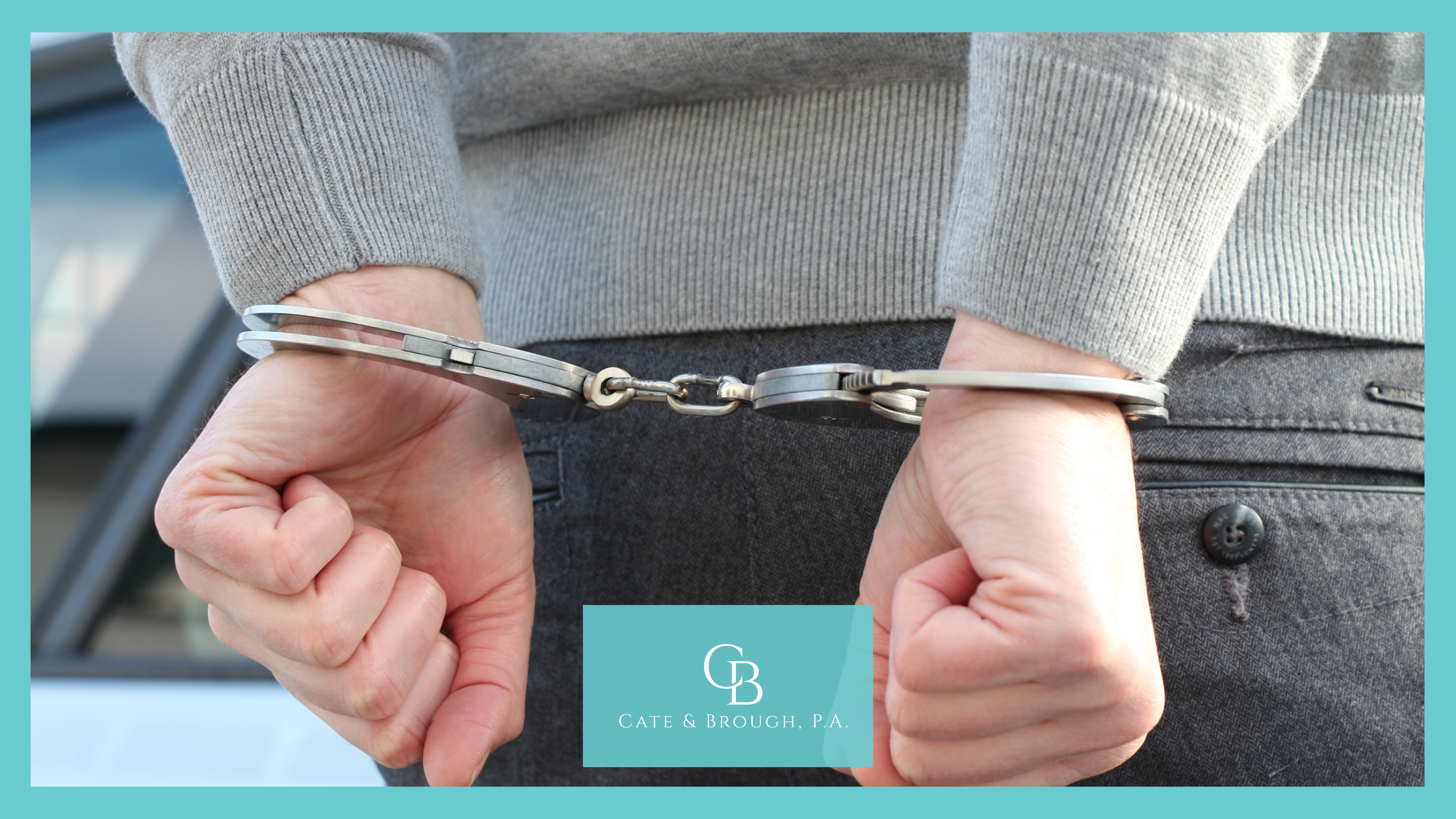
Executive Summary: If you’re arrested in South Carolina, the first 72 hours are crucial. You have constitutional rights, like the right to remain silent and to get a lawyer, which apply immediately. A bond hearing usually happens within 24 hours, and a judge decides your release terms. After release, you should organize all paperwork and contact legal help quickly. Acting promptly and clearly in these early hours helps protect your rights and prepares you for the next steps in the legal process.
Being arrested is serious. In South Carolina, what you do right after an arrest can shape how your case unfolds in court. The first three days matter. That’s when you’ll meet a judge, learn your charges, and begin to understand what comes next. What you say, how you act, and how you prepare in those early hours can affect your freedom and future.
Here’s straight information on the practical steps and rights you should know about if you’ve been arrested in South Carolina.
1. Your Rights and Booking
When you are arrested, law enforcement typically reads you your Miranda rights before questioning. That includes your right to remain silent and your right to an attorney. You only have to give your name and basic information. Anything else you say can be used against you. You can (and should) politely refuse to answer detailed questions until you have legal help.
After the arrest, you’ll go through booking. At this stage, your photo, fingerprints, and personal information are taken, and you might be placed in a holding cell. During booking, you do not have to provide statements about the alleged crime.
2. Bond or Bail Hearing Within 24 Hours
In South Carolina, most people arrested on bailable charges will go before a judge within about 24 hours for a bond hearing. At that hearing, a judge decides if you can be released while your case moves forward.
There are different types of release:
- Personal Recognizance (PR) Bond – You’re released without paying money because you promise to appear in court.
- Cash Bond – You pay the bail amount set by the judge.
- Surety Bond – A bail bondsman posts bail for you in exchange for a fee.
The judge looks at things like the nature of the charges, your ties to the community, and whether you’ve been in trouble before. A judge can also deny bail if they believe you may flee or pose a danger to others.
Your release isn’t the end of the matter. You must follow any conditions set by the court, such as not leaving the state or checking in with a pretrial office.
3. Gather Your Paperwork and Notes
Once you are out of custody, take time to organize what you have. In the first 72 hours, you should make sure you keep copies of:
- Arrest paperwork
- Bond or bail documentation
- Court dates or notices
- Any police reports you can obtain
You might be given bond paperwork and court date information before you leave. Keep these in a safe place. This creates clarity about what you must do next and helps you avoid missed deadlines, which can lead to more trouble.
4. Contact a Lawyer Right Away
You have the right to legal representation from your first hearing forward. In South Carolina, this is part of your due process rights.
The sooner you reach out to a lawyer, the sooner you can begin preparing your case, protect your rights, and work toward the best possible outcome. A lawyer can explain your charges, help with bond issues, and begin gathering information for your defense.
You don’t have to wait until trial to get help. The first 72 hours are when the strategy begins and when key decisions can affect your case going forward.
5. Know the Next Steps in Court
After the bond is set and your release arranged, your case will continue through South Carolina’s criminal courts. Most cases go through a series of scheduled hearings. In general sessions court, you’ll have further appearances where you or your lawyer will respond to the charges and prepare for trial or a plea decision.
Missing a court date or failing to follow the conditions of your release can result in a warrant for your arrest or a revocation of bond.
If you’ve been arrested and need clear guidance on what to do next, reach out to Cate & Brough. We can help you understand your rights, meet deadlines, and make informed choices about your case.
FAQs
- What should I say to the police after an arrest?
You should only give basic identity info. Politely refuse to answer any further questions until you consult a lawyer.
- What is a bond hearing?
It’s a court appearance where a judge decides whether you can be released from custody and, if so, under what conditions.
- Can I be released without paying bail?
Yes. If the judge grants a personal recognizance bond, you can be released without paying up front.
- How soon must I see a judge after arrest?
South Carolina law generally requires a bond hearing within 24 hours.
- Do I have the right to a lawyer right away?
Yes. You have the right to legal representation from your first appearance and throughout the process.

Cate & Brough, P.A.


